












THE ART OF THE
EPHEMERAL
Capturing the elusive Gruccione
Part of the “Photography That Lasts Forever” campaign by Gitzo
A Gitzo adventure with Michael Lovera
Capturing the elusive Gruccione — a symbol of fleeting beauty — with tools built to last forever.
A photograph is more than an image — it’s a piece of art suspended in time. It captures light, emotion, and motion,distilling them into something lasting. Some photographs tell stories. Others reveal the unseen. The finest do both — and they endure.
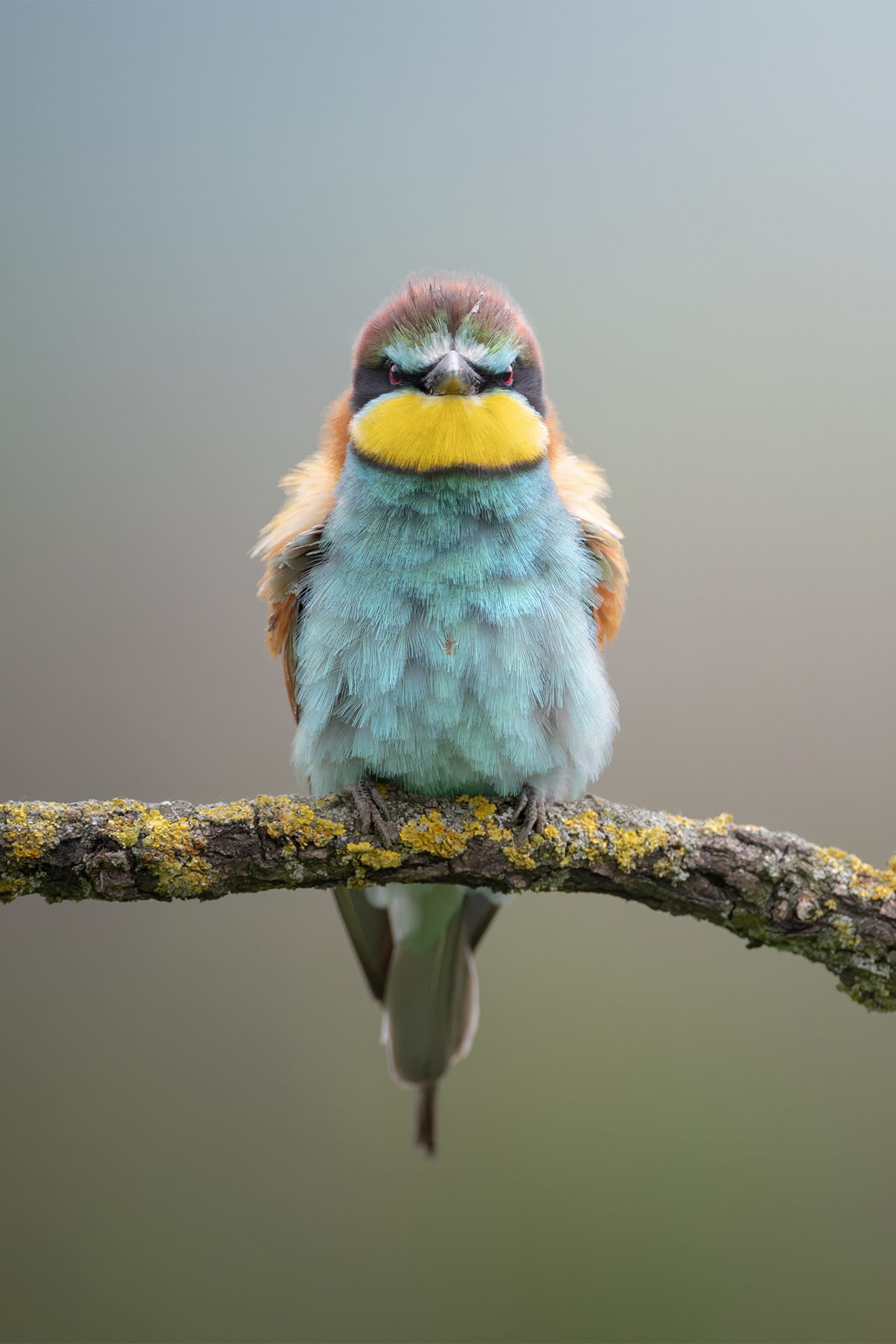
One of nature photography’s most captivating subjects is the Gruccione, or European Bee-eater —a bird whose radiant plumage and elegant flight have made it a favorite among wildlife photographers. Yet it is far from an easy subject. Found along riversides and meadows from late spring to mid-summer, the Bee-eater’s beauty is rivaled only by the challenge of capturing it.
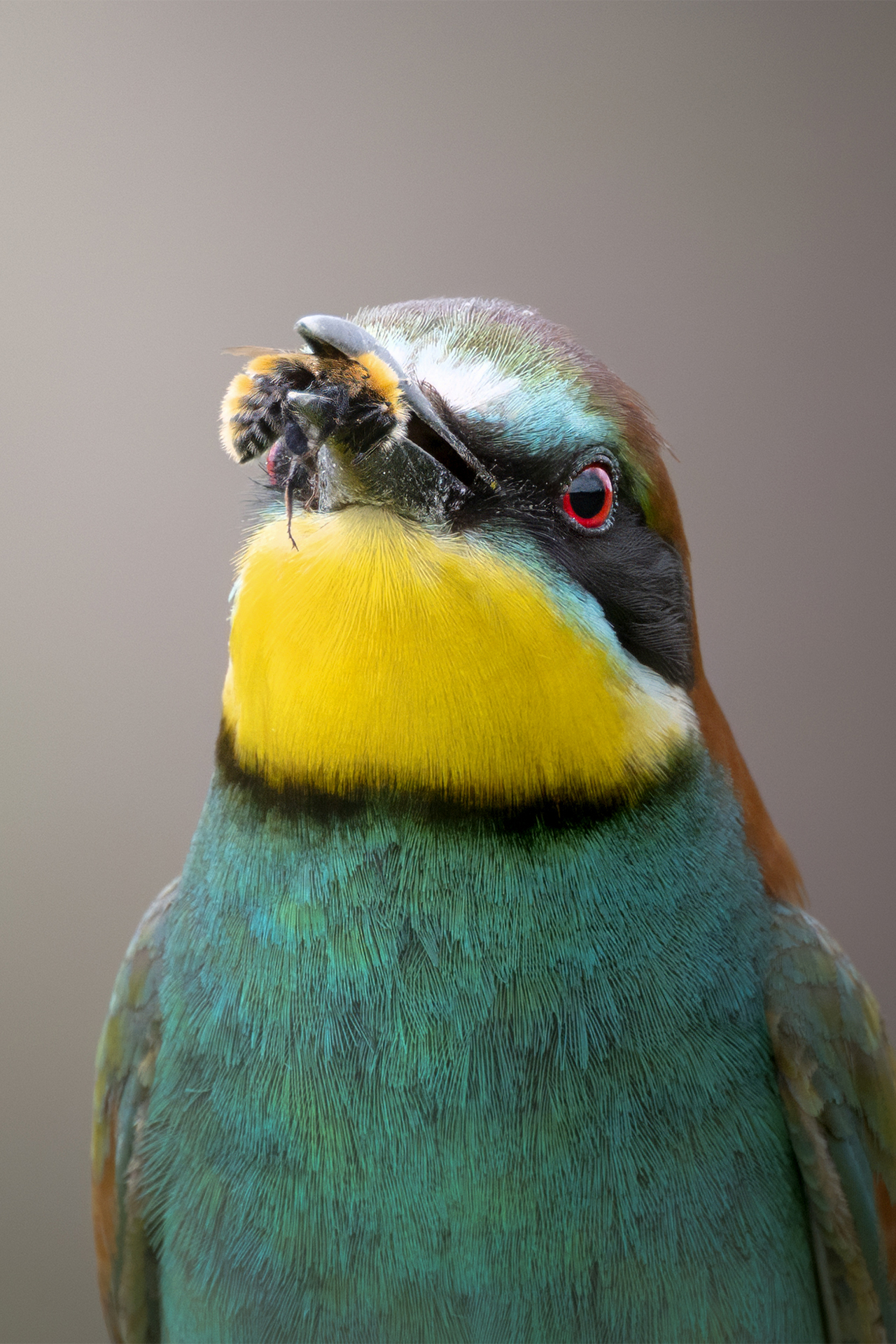
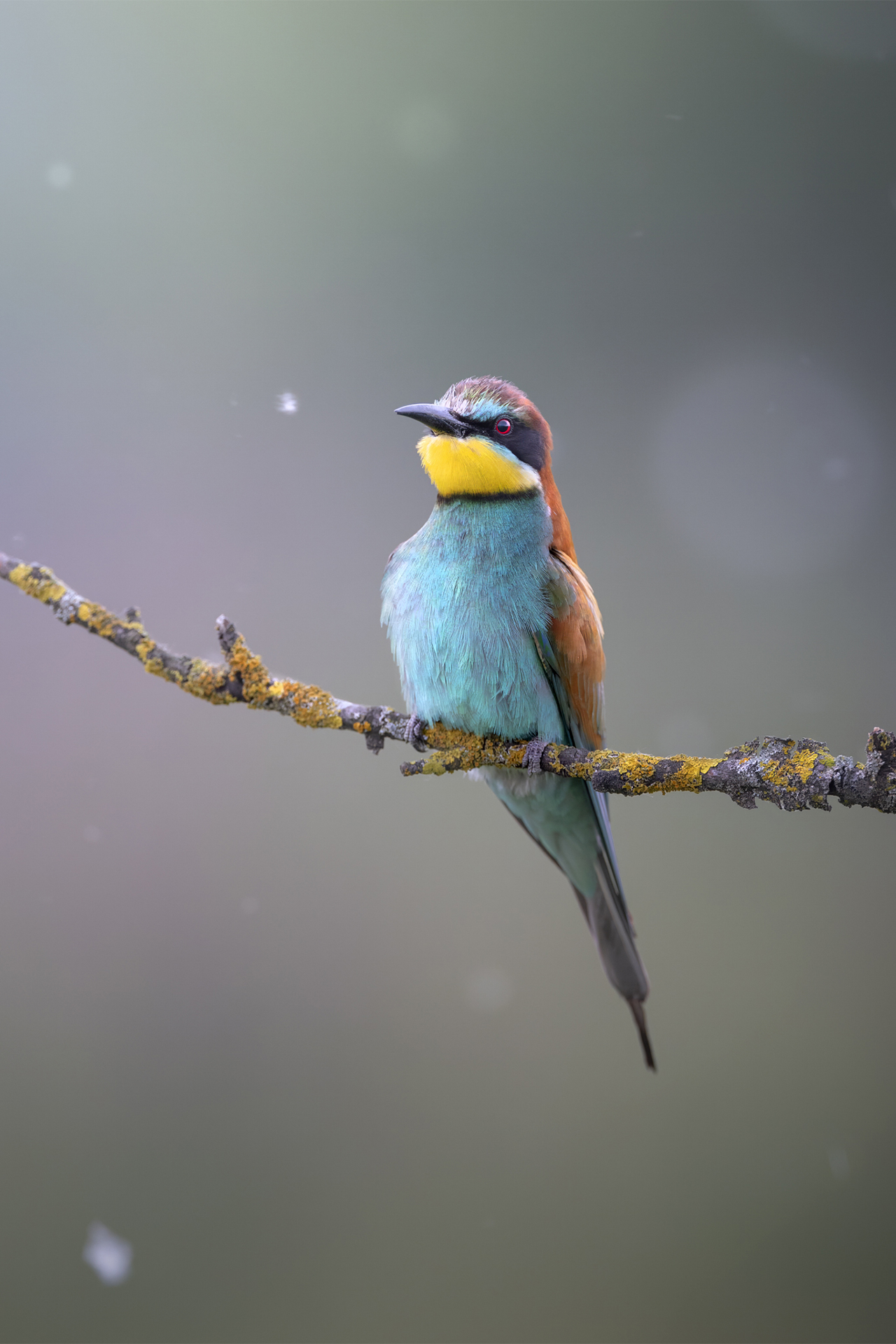
Migratory by nature,the Bee-eater spends winters in sub-Saharan Africa and returns to Europe each year to breed. This long journey across continents makes it a symbol of seasonal change, endurance, and ecological connection — a perfect metaphor for timelessness, motion, and return in visual storytelling.
Its plumage is among the most colorful in Europe. With a turquoise chest, golden-brownback, lemon-yellowthroat, and bold blackeye stripe, the Bee-eater is as vivid as it is elusive. It nests in colonies, digging long horizontal tunnels— sometimes stretching 1–2 meters — into sandy riverbanks or soft cliffs. These nesting sites, often reused year after year, are typically precarious and hard to access, requiring photographers to set up on unstable ground or even in water.
As its name suggests, the European Bee-eater feedsmainly on flying insects such as bees and wasps, which it catches mid-flight with remarkable precision. Before swallowing stinging prey, it performs a dramatic behavioral flourish: rubbing the insect against a branch to remove the stinger. Capturing this moment adds narrative depth to a photo and rewards the patient, observant photographer.
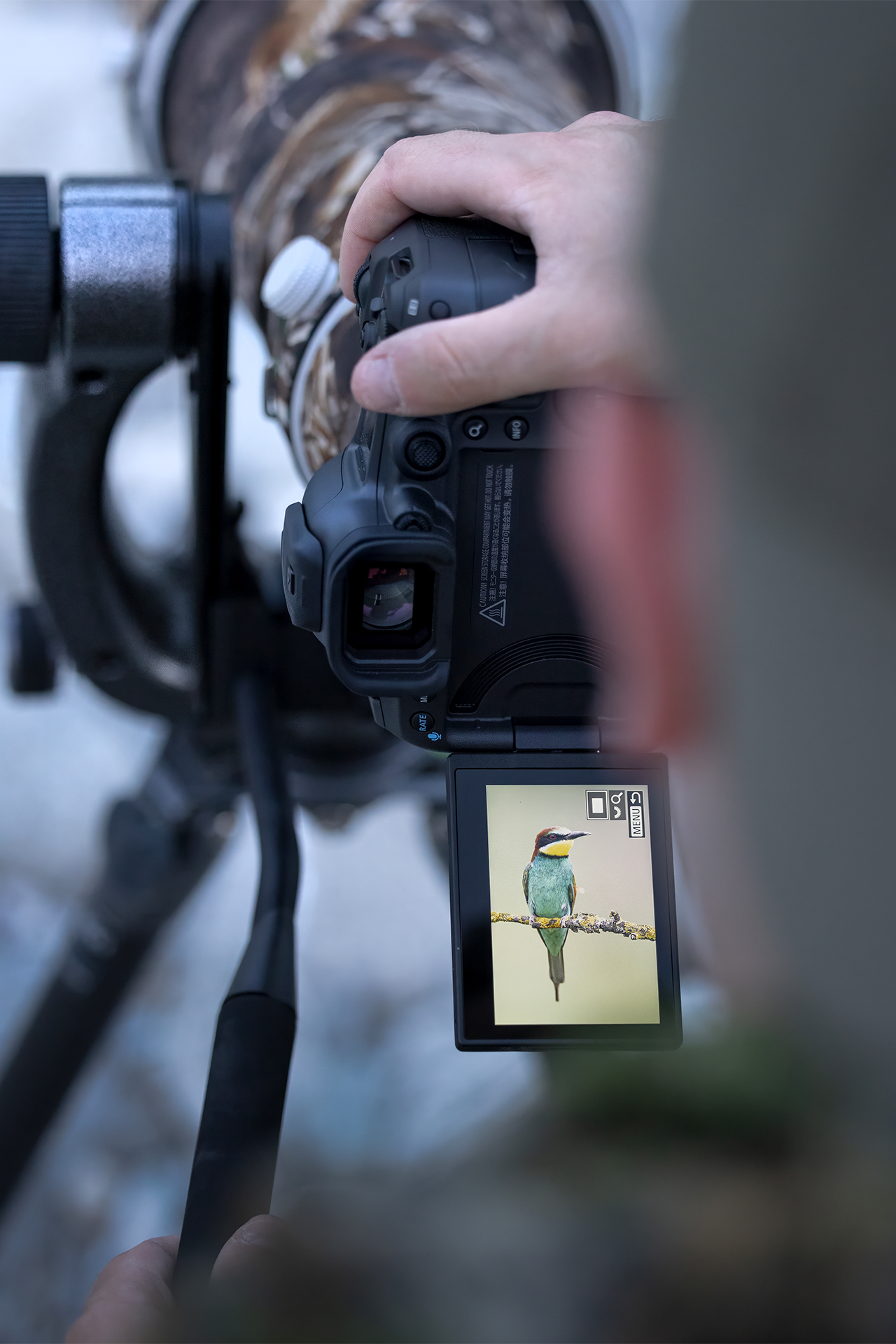
But photographing the Bee-eater demands more than a good eye. It calls for deep knowledge of its behavior, long hours of silent waiting, and the ability to remain perfectly still in uncomfortable conditions. The right image doesn’t justhappen — it’s created through skill, dedication, and gear that performs without fail.
As its name suggests, the European Bee-eater feedsmainly on flying insects such as bees and wasps, which it catches mid-flight with remarkable precision. Before swallowing stinging prey, it performs a dramatic behavioral flourish: rubbing the insect against a branch to remove the stinger. Capturing this moment adds narrative depth to a photo and rewards the patient, observant photographer.
But photographing the Bee-eater demands more than a good eye. It calls for deep knowledge of its behavior, long hours of silent waiting, and the ability to remain perfectly still in uncomfortable conditions. The right image doesn’t justhappen — it’s created through skill, dedication, and gear that performs without fail.
Unshakable Stability in the Wild
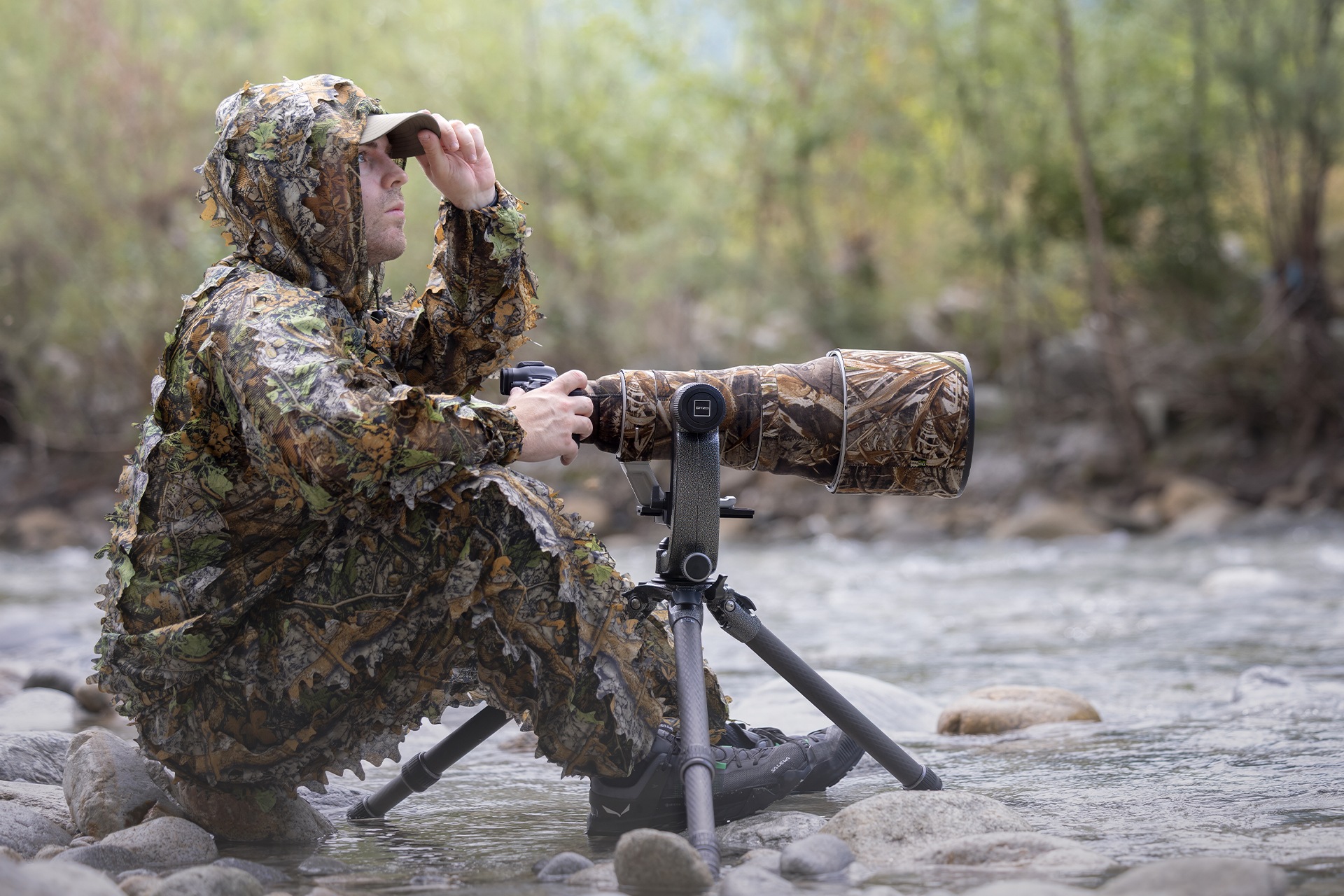
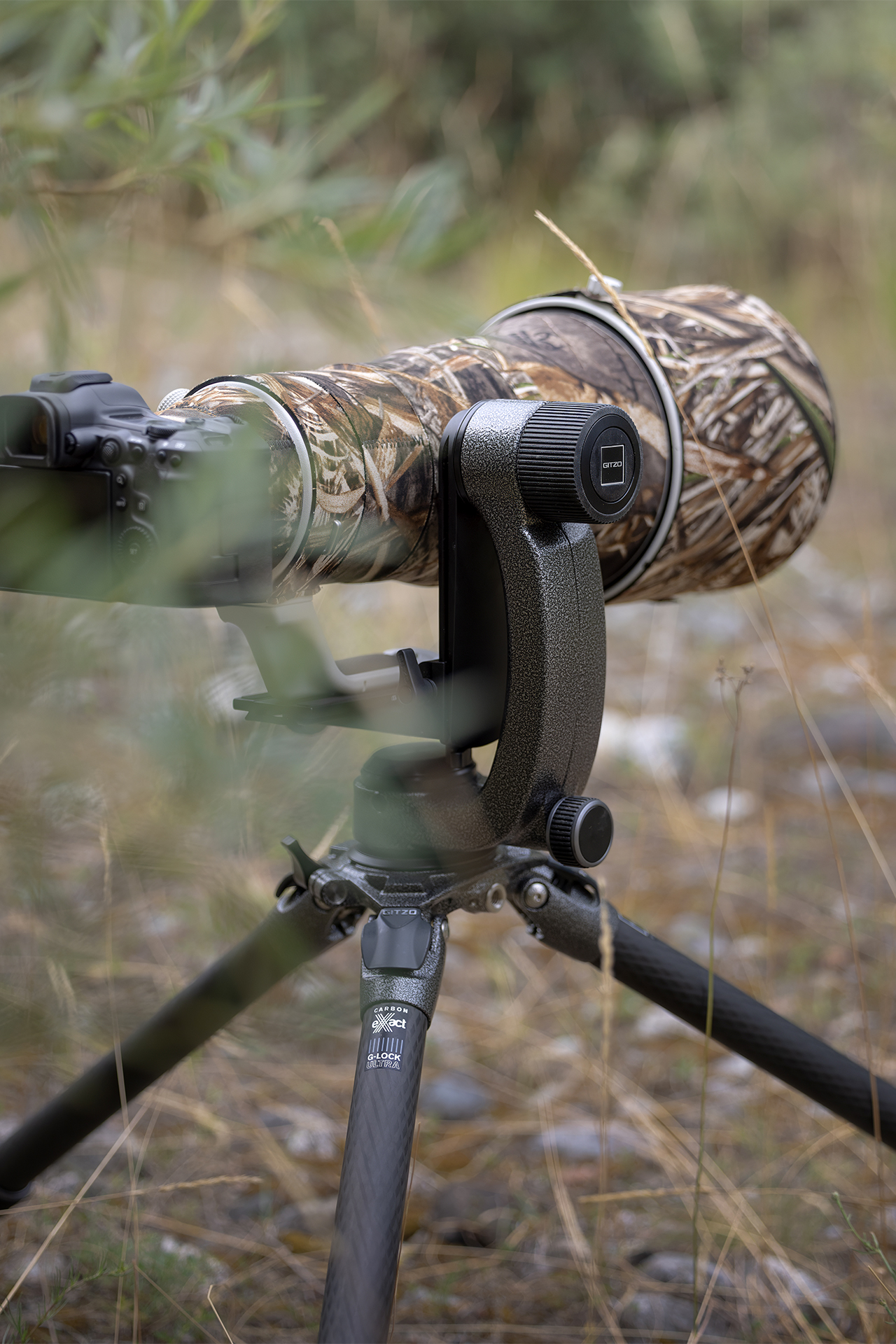
On this journey, the Gitzo Systematic Tripod and Gimbal Head proved indispensable — not only matching expectations, but surpassing them in everyaspect. Tested in a wide range of demanding environments, the setup delivered exceptional performance,flexibility, and control.
The four-section Systematic tripod, combined with the G-lock system, allowed for quick and precise height adjustments and adaptability on any terrain — from riverbanks to uneven ground — while providing excellent stability for ground-level shots, which the photographer noted as a personal favorite.
Rubber articulated feet played a crucial role in maintaining grip on difficult surfaces, including slippery submerged rocks underflowing water. The tripod absorbed shocks and kept the setup steady and secure from the first moment.
Thanks to its fluid movement and total control, the Gitzo Gimbal Head performed flawlessly not only in photography, but also in video work — enabling smooth, shake-free panning without micro-jitters. The ergonomic knobs with superior grip ensured full control, even when wet or in contact with water — a common scenario in wildlife photography where fast reactions are everything.
And lastly — but never least — came the benefit of lightweight strength. The carbon fiber legs of the Systematic and the magnesium construction of the Gimbal made the entire system light and easy to carry across long treks and difficult landscapes. For wildlife photographers constantly balancing performance with portability, this combination delivered the perfect compromise between quality and weight.
Rubber articulated feet played a crucial role in maintaining grip on difficult surfaces, including slippery submerged rocks underflowing water. The tripod absorbed shocks and kept the setup steady and secure from the first moment.
Thanks to its fluid movement and total control, the Gitzo Gimbal Head performed flawlessly not only in photography, but also in video work — enabling smooth, shake-free panning without micro-jitters. The ergonomic knobs with superior grip ensured full control, even when wet or in contact with water — a common scenario in wildlife photography where fast reactions are everything.
And lastly — but never least — came the benefit of lightweight strength. The carbon fiber legs of the Systematic and the magnesium construction of the Gimbal made the entire system light and easy to carry across long treks and difficult landscapes. For wildlife photographers constantly balancing performance with portability, this combination delivered the perfect compromise between quality and weight.
Enduring Images, Enduring Gear
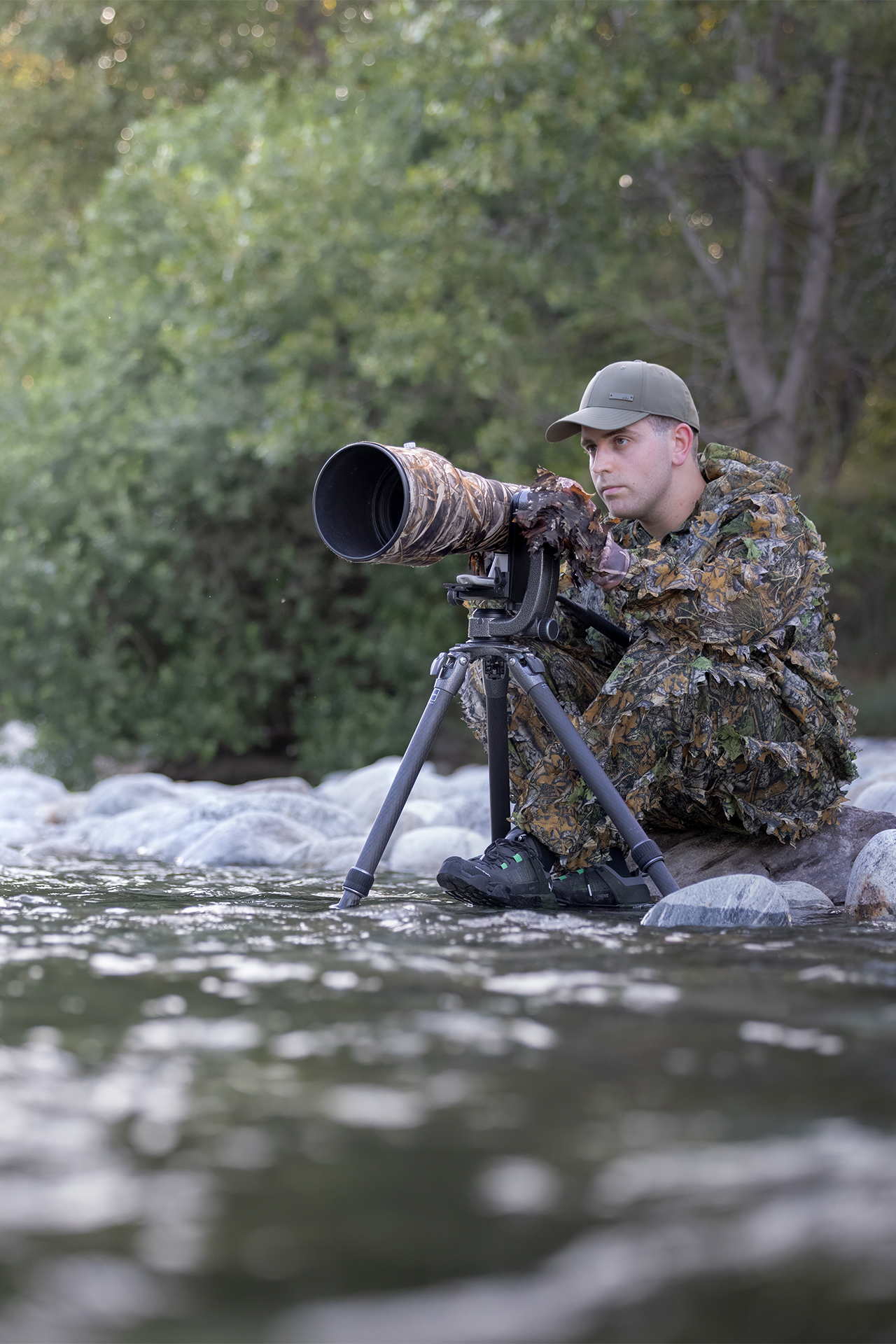
During nesting season, typically between May and July, Bee-eaters establish colonies along exposed slopes or sandy banks. Photographers seeking the most compelling images often work near these sites, building camouflaged hides and enduring long, silenthours in often extreme environments. High temperatures, harsh light, persistent insects, and unpredictable terrain make reliability non-negotiable. In these scenarios, Gitzo tripods rise to the challenge.
Trusted for their century-proven durability and engineered for professional use, they provide the stability needed to shoot with absolute precision — even when partially immersed in water. Every detail, from the leg locks to the choice of materials, is designed to endure. Whether deployed on a rocky riverbed or in ankle-deep water, Gitzo tripods hold firm, allowing photographers to work with complete confidence.
Photography That Lasts Forever
Nature offers no second chances. When the light fades or the bird takes flight, the moment is gone. What remains is the image —the art. And behind that, the tools that made it possible. At Gitzo, we believe that great photography deserves gear as timeless as the moments it captures.
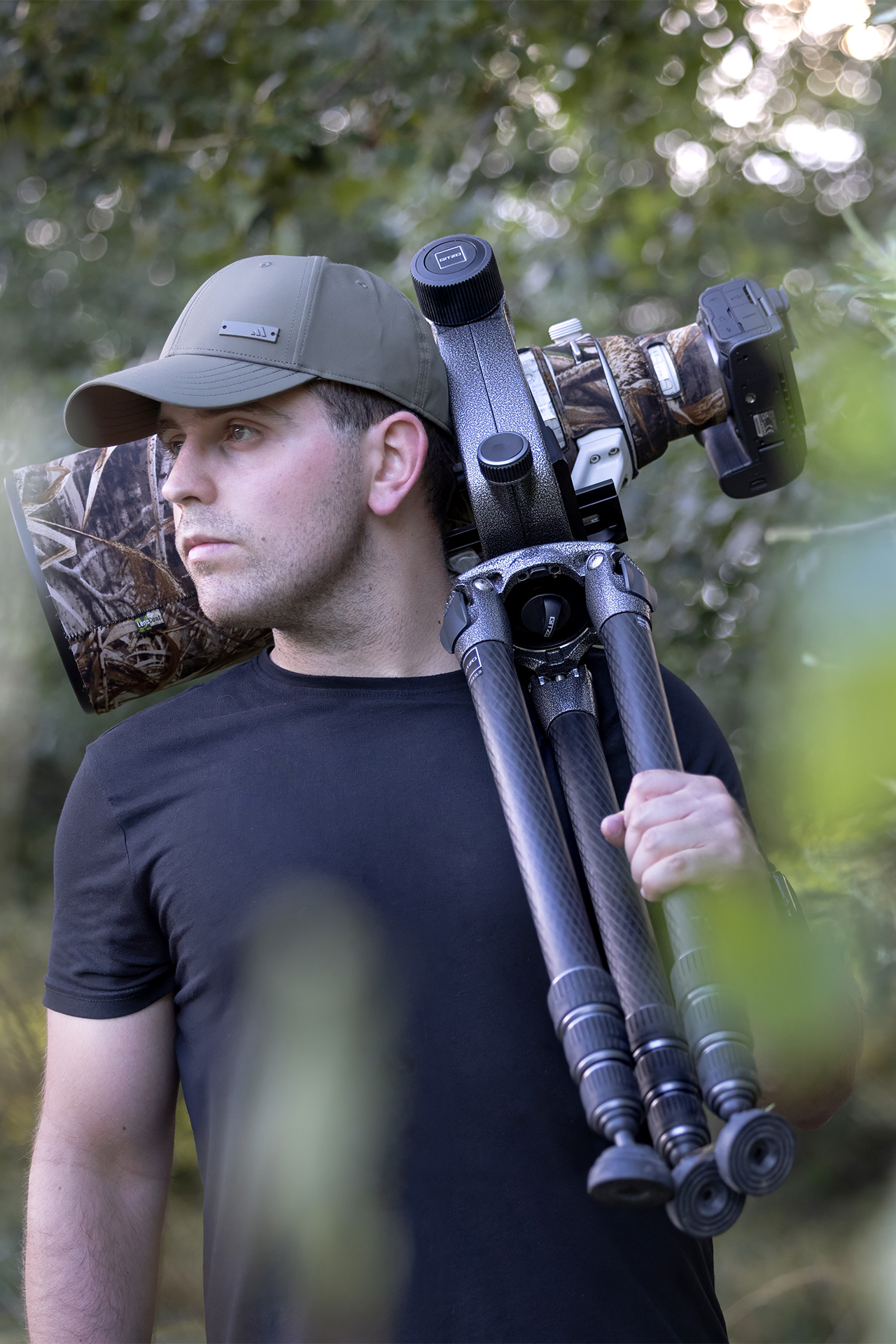
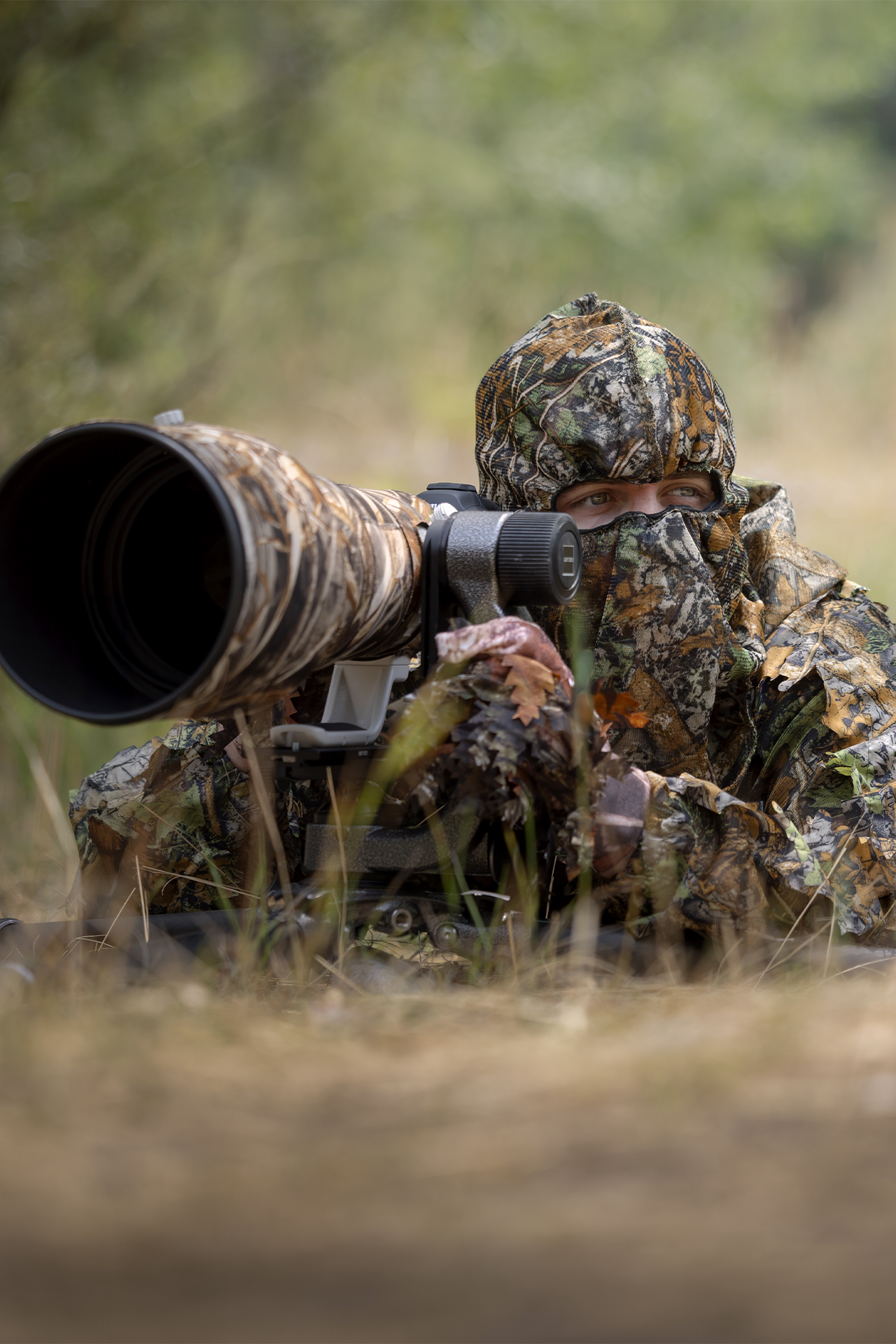
Michael’s gear
“In these products, I found the security I was looking for — without giving up anything else. Security, stability, and elegance — that’s Gitzo for me.”
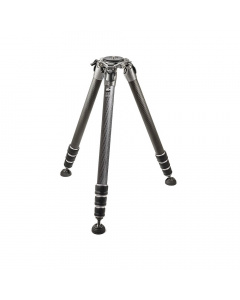 GT4543LS
Gitzo tripod Systematic, series 4 long, 4 sections
| Weight | 2.38 kg |
| Leg Sections | 4 |
| Maximum Height | 158 cm |
| Min Height | 10 cm |
| Closed Length | 61 cm |
| Maximum Height (with Center Column Down) | 158 cm |
| Bubble Spirit Level (No.) | 1 |
| Carrying Bag Included | none |
| Center Column | no center column |
| Upper Disc Diameter | 70 mm |
| Top Attachment | 3/8″ screw |
| Color | Noir Decor |
| Easy Link | Yes |
| Leg Type | Single |
| Leg Angles | 23°, 53°, 86° |
| Leg Lock Type | Twist Lock |
| Legs Tube Diameter | 25.3, 29, 32.9, 37 mm |
| Material | CarbonExact |
| Maximum Working Temperature | 70 °C |
| Minimum Working Temperature | -30 °C |
| Series | 4 |
| Safety Payload UNI/PdR 105:2021 | 28 kg |
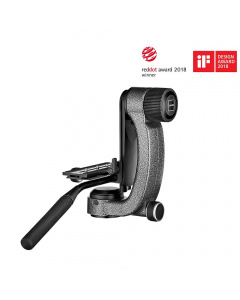 GHFG1
GHFG1
Gimbal Fluid Head
| Weight | 1.35 kg |
| Base Diameter | 60 mm |
| Material | Aluminum, Magnesium |
| Front Tilt | -180° / +180° |
| Safety Payload UNI/PdR 105:2021 | 8 kg |
| Plate Type | quick release - with 1/4″ screw |
| Color | Black/Noir Decor |
| Top Attachment | 1/4″ screw, 3/8″ screw |
| Easy Link | No |
| Friction Control | No |
| Head Type | Other |
| Independent Pan Lock | Yes |
| Independent Tilt Lock | Yes |
| Maximum Working Temperature | 70 °C |
| Minimum Working Temperature | -20 °C |
| Pan Bar Included | Yes |
| Pan Drag | 1 step plus variable PTFE friction |
| Panoramic Rotation | 360 ° |
| Quick Release | Yes |
| Tilt Drag | fluid cartridge with fixed drag |
Milko has been organizing tours to Pantanal, with the next expedition in September 2024. An opportunity awaits those ready to immerse themselves in the raw beauty of Pantanal through Milko Marchetti's lens.
About Milko
Milko has been organizing tours to Pantanal, with the next expedition in September 2024. An opportunity awaits those ready to immerse themselves in the raw beauty of Pantanal through Milko Marchetti's lens.