


FIELD NOTES FROM
THE AMAZON
by Tim Laman
I recently returned from a National Geographic Photo Expedition on the Upper Amazon where I was serving as a “photography expert”, teaching and helping others with their wildlife photography. From our home base on the beautiful boat, the Delfin II, we ventured out every day in skiffs to explore tributaries and oxbow lakes teaming with birds, monkeys and sloths in the Pacaya Samiria National Reserve. This reserve is located just beyond the end of the Amazon proper in the country of Peru, where it splits into two big tributaries, the Ucayali and the Marañon.
I'd like to share some images I captured during the trip to give you a little overview of the amazing diversity of life that we encountered during our relatively brief seven-day trip.
EXPLORING THE TRIBUTARIES
On this Amazon tour, we spent most of our time looking for wildlife from our small skiffs which could venture up the smaller side branches of the main rivers. This gave us ample chances to photograph waterbirds along the river courses. On the Pacaya River, there were hundreds of cormorants, but when they took off, most flew directly away from us, not making for great images. I kept my eye out for one that was taking off perpendicular to us and tried to track it as it launched. These Neotropical Cormorants need a bit of a run and hop along the water’s surface to get airborne, so I framed the shot including the big splash behind the bird that he created with big push of his tail. A high shutter speed of 1/4000 sec froze every drop of water in mid-air.

I love “freezing a unique moment in time” with a still photograph, so this was one of my favorite shots from the trip. Although many cormorant takeoff photos will be made, this exact photograph will never be repeated. In order to help balance my large telephoto lens (in this case a 400mm f2.8) when photographing from a small boat, my favorite setup is to use a monopod with a gimbal head as you see in the photo below. This setup saves on arm fatigue and allows me to react much more quickly than if I had to lift the camera and lens for each subject.

Here are a few more images of I made from the skiffs using the same setup as above:


We just happened to be passing by as this bird took its morning bath, and I was able to capture a quick series of shots. This striking species is known as the Oriol Blackbird.

Five species of kingfishers were commonly seen along the water courses we traversed. I captured this Amazon Kingfisher perched on a branch along the riverbank as we approached in our boat.

Another highlight along the rivers was occasionally spotting an extremely well camouflaged Three-toed Sloth. We probably never would have seen these if not for our sharp-eyed guides.
INTO THE FOREST
When we went for hikes in the forest, I carried a tripod with me to allow me to fully stabilize my camera for some longer exposure shots. My favorite tripod for all around use is the Gitzo Systematic series 4 model. It gives me the right balance of height and stability for big lenses but is still amazingly light weight.

For example, when our local guide showed us the beautiful Rainbow Boa Constrictor (see photo below], I was able to quickly deploy my tripod to capture this image at f11 to get the depth of field I wanted. I had to slow the shutter speed down to 1/15 sec to get enough light, so having the tripod along was key to the success of the shot.

The Amazon is incredibly rich in primate species, so one of the highlights of our forest hikes was getting to photograph some of them. One exciting encounter we had was with the smallest monkey in the world, known as the Pygmy Marmoset. These pocket-sized monkeys specialize in feeding on tree sap.

We also encountered a group of monkeys known as Saddleback Tamarin's. Our guide skillfully imitated their vocalizations, and one of them came down low to check us out and see where the sound was coming from. That allowed me to capture this shot.

If you ever have a chance to experience the Amazon rainforest, don't pass it up. It's a challenging environment for photography in terms of the regular rains and high humidity, and dense forests are never the easiest places to isolate your subject and create beautiful compositions. But fascinating subjects abound, so if you are prepared for photographing from boats and also on hikes in the forest, your efforts will be well rewarded.
Would you like to learn wildlife photography from Gitzo Ambassador Tim Laman?
Tim now has two online courses available and is offering a special discount to Gitzo fans. Just use the code "Gitzo" when you check out for a 15% discount on one or both courses.
• Course 1: Birds, Camera, Action
Aimed at beginning to intermediate photographers who want to master their camera settings for action photography using Tim Laman's approach.
• Course 2: Getting Creative.
If you have mastered your camera settings and are ready to get more creative with your bird photography, check out this course.
Tim's gear
 GM4552L
Gitzo monopod, series 4 long, 5 sections, long
| Weight | 0.73 kg |
| Maximum Height | 190 cm |
| Closed Length | 56 cm |
| Leg Sections | 5 |
| Safety Payload UNI/PdR 105:2021 | 35 kg |
| Material | CarbonExact |
| Carrying Bag Included | none |
| Upper Disc Diameter | 60 mm |
| Colour | Noir Decor |
| Min Height | 56 cm |
| Easy Link | No |
| Fluid Base | No |
| Top Attachment | 1/4″ screw, 3/8″ screw |
| Head Type | Other |
| Leg Type | Single |
| Leg Lock Type | Twist Lock |
| Legs Tube Diameter | 21.7, 25.3, 29, 32.9, 37 mm |
| Maximum Working Temperature | 70 °C |
| Minimum Working Temperature | -30 °C |
| Pan Bar Included | No |
| Quick Release | No |
| Series | 4 |
| Tilt Drag | NONE |
 GT4543LS
Gitzo tripod Systematic, series 4 long, 4 sections
| Weight | 2.38 kg |
| Leg Sections | 4 |
| Maximum Height | 158 cm |
| Min Height | 10 cm |
| Closed Length | 61 cm |
| Maximum Height (with Center Column Down) | 158 cm |
| Bubble Spirit Level (No.) | 1 |
| Carrying Bag Included | none |
| Center Column | no centre column |
| Upper Disc Diameter | 70 mm |
| Top Attachment | 3/8″ screw |
| Colour | Noir Decor |
| Easy Link | Yes |
| Leg Type | Single |
| Leg Angles | 23°, 53°, 86° |
| Leg Lock Type | Twist Lock |
| Legs Tube Diameter | 25.3, 29, 32.9, 37 mm |
| Material | CarbonExact |
| Maximum Working Temperature | 70 °C |
| Minimum Working Temperature | -30 °C |
| Series | 4 |
| Safety Payload UNI/PdR 105:2021 | 28 kg |
 GHFG1
GHFG1
Gimbal Fluid Head
| Weight | 1.35 kg |
| Base Diameter | 60 mm |
| Material | Aluminium, Magnesium |
| Front Tilt | -180° / +180° |
| Safety Payload UNI/PdR 105:2021 | 8 kg |
| Plate Type | quick release - with 1/4″ screw |
| Colour | Black/Noir Decor |
| Top Attachment | 1/4″ screw, 3/8″ screw |
| Easy Link | No |
| Friction Control | No |
| Head Type | Other |
| Independent Pan Lock | Yes |
| Independent Tilt Lock | Yes |
| Maximum Working Temperature | 70 °C |
| Minimum Working Temperature | -20 °C |
| Pan Bar Included | Yes |
| Pan Drag | 1 step plus variable PTFE friction |
| Panoramic Rotation | 360 ° |
| Quick Release | Yes |
| Tilt Drag | fluid cartridge with fixed drag |
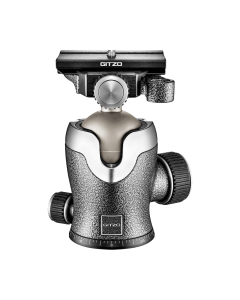 GH3382QD
Gitzo center ball head, quick release, series 3
| Weight | 0.77 kg |
| Base Diameter | 60 mm |
| Material | Aluminium |
| Front Tilt | -90° / +40° |
| Safety Payload UNI/PdR 105:2021 | 20 kg |
| Bubble Spirit Level (No.) | 1 |
| Plate Type | GS5370D |
| Certifications | none |
| Colour | Noir Decor |
| Base Type | 50 mm |
| Ball Locking | Yes |
| Top Attachment | 1/4″ screw |
| Easy Link | No |
| Friction Control | Yes |
| Head Type | Ball Head |
| Independent Pan Lock | Yes |
| Independent Tilt Lock | yes |
| Lateral Tilt | -90° / +40° |
| Maximum Working Temperature | 70 °C |
| Minimum Working Temperature | -30 °C |
| Pan Bar Included | No |
| Pan Drag | NONE |
| Panoramic Rotation | 360 ° |
| Quick Release | Yes |
| Tilt Drag | NONE |
| Working Height | 12.6 cm |
About Tim
Tim Laman is a field biologist and wildlife photojournalist. Tim first went to Borneo in 1987 and his pioneering research in the rain forest canopy led to a PhD from Harvard and his first National Geographic article in 1997. He has pursued his passion for exploring wild places by becoming a regular contributor to National Geographic magazine where he has published 23 feature stories.